Turn what is in your pantry into a starting point for dinner.
A pantry is more than a list of cans. When it is part of meal planning, it can help you start with what is already at home and shop with more intention.
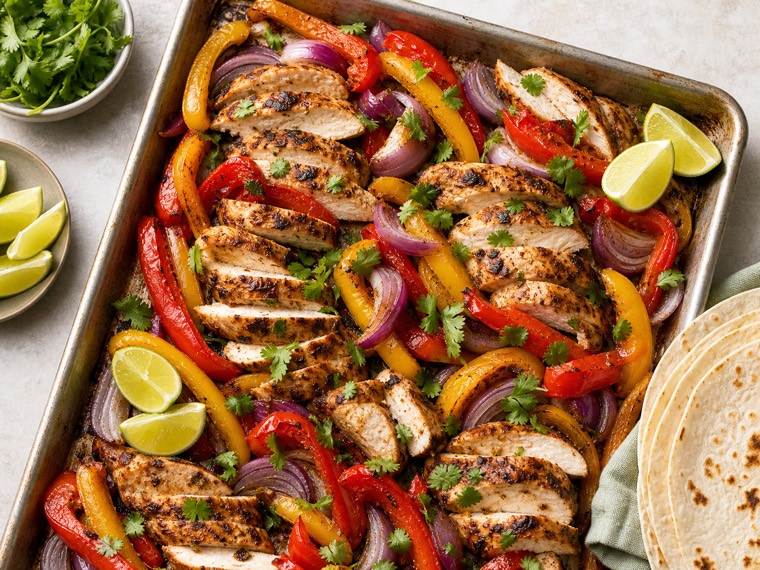
Pantry-aware planning is about better questions, not false precision.
Most kitchens have useful ingredients that do not show up in the week’s plan: rice, beans, spices, frozen vegetables, pasta, or the last few lemons. Seeing those items before you decide on dinner can turn “we need to shop” into “we can make something work.”
Grocery Hawk helps you keep pantry staples in view while you plan meals. When ingredients from a planned recipe are compatible with pantry amounts, they can inform the grocery draft. When the unit, amount, or match is ambiguous, it should be surfaced for review rather than silently subtracted.
That distinction matters. Pantry data changes quickly, package sizes vary, and one person’s “a little rice” is not another person’s two cups. The app is there to make the starting point clearer; you are still the person who knows what is really on the shelf.
Plan from the pantry without overthinking it
Keep a useful view of staples, then use it as a prompt when you build the week and review the list.
-
Keep the staples you care about visible.
Add the ingredients that make your home cooking easier to remember: grains, canned goods, sauces, freezer basics, and often-used produce.
-
Start a dinner idea with what is already there.
Use the pantry as a source of constraints and inspiration, especially when you want a meal that feels less wasteful or less expensive to pull together.
-
Review pantry matches in the grocery draft.
Compatible amounts can help reduce duplicate shopping. Anything uncertain stays visible for review instead of being guessed away.
A pantry view that earns its place in the plan
More ideas from familiar ingredients
The ingredients you already own can be a useful starting point for a quick recipe idea or an AI planning request.
Safer grocery-list review
A pantry match is helpful only when it is compatible. Grocery Hawk can flag ambiguity instead of hiding an item you may still need.
Less memory work before a shop
See key staples in the same product system as the meal plan and shared grocery list instead of trying to remember them from the store aisle.
A pantry refresh can be small and still pay off.
You do not need to inventory every spice jar. Start with the things that change what you can make this week.
- Add the staples you rely on for quick meals.
- Update an item when you finish it or replace it.
- Use a pantry item as the first ingredient in a dinner idea.
- Review any flagged match before removing an item from the grocery draft.
Questions people ask before they start.
Grocery Hawk is designed to support a real kitchen routine. Here is what that looks like in practice.
Do I have to track every pantry item?
No. Start with the staples and ingredients that meaningfully affect how you plan meals or shop. The goal is useful context, not a perfect inventory.
Will a pantry item always be removed from the grocery draft?
No. Grocery Hawk should only subtract compatible pantry amounts. If a quantity or unit is unclear, it can be flagged for you to review.
Can pantry items help with AI meal ideas?
Yes. Pantry items can provide helpful context when you ask for a meal or recipe idea, but you should still inspect the resulting ingredients and instructions.
